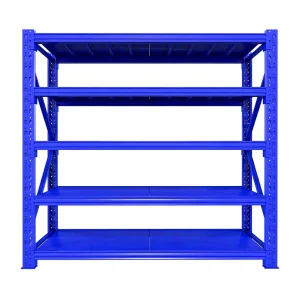
Industrial Logistics Whitepaper

China Wholesale Drive-in Rack Supplier & Enterprise Engineering Solutions

Next-Generation High-Density Warehouse Racking Systems, Structural Engineering Precision, and Turnkey Logistics Solutions for Global Supply Chains

Executive Industry Insight

Global Warehousing Megatrends & The Drive-in Rack Paradigm Shift

Analyzing spatial efficiency economics, land acquisition overheads, and the engineering necessity of high-density storage infrastructure in modern logistics.

Spatial Footprint Maximization

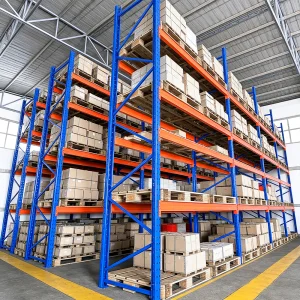
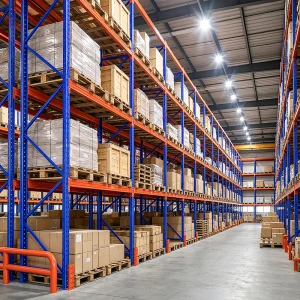
In an era where industrial real estate valuation has expanded exponentially across global logistics corridors, traditional selective racking systems—which allocate up to 60% of floor space to aisle clearance—are increasingly financially unviable. As a leading China wholesale Drive-in rack supplier, we engineer structures that eliminate operation aisles, converting up to 75-85% of total cubic volume into active, load-bearing storage. This high-density Last-In, First-Out (LIFO) architectural dynamic drastically slashes the cost-per-pallet metric for enterprise operations.

Cold Chain Thermal Efficiency

Cold storage facilities operate under immense continuous thermodynamic and financial pressures. Refrigeration energy expenditure scales with total cubic building volume rather than stored tonnage. Drive-in racking systems optimize cold room geometry by packing uniform refrigerated goods tightly together. This extreme spatial density mitigates thermal convection losses, reduces internal air mass circulation demands, and yields energy savings of up to 35% compared to open-aisle configurations in temperature-controlled environments.

Macro Capital Efficiency (CapEx ROI)

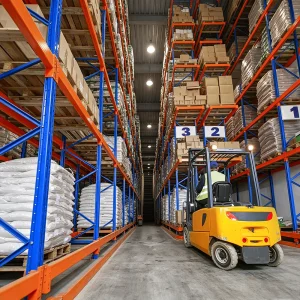
Deploying specialized automated storage and retrieval systems (ASRS) involves capital expenditures that can destabilize mid-market logistics operators. Drive-in structural racking presents an ideal balance between low initial capital investment and maximum high-density output. By utilizing standardized material handling equipment like reach trucks and counterbalanced forklifts directly inside structural bays, enterprises achieve automated-level storage density at a fraction of the hardware infrastructure cost.

Structural Mechanics & Metallurgical Integrity

Advanced Engineering Standards of Drive-in Structural Racking

Precision cold-rolled steel profiling, Finite Element Analysis (FEA), and dynamic load-bearing calculations for industrial resilience.

Structural Physics & Cantilever Beam Dynamics

Unlike standard selective rack structures where horizontal beams span across upright frames to create discrete shelf levels, Drive-in racking operates without full horizontal beam cross-sections along the storage lanes. Forklifts enter the structural matrix directly. Storage pallets rest on continuous lateral load rails supported by robust cantilever arms anchored to vertical upright frames.

  • High-Yield Q235B & Q355B Steel: Hot-rolled structural steel profiles engineered to absorb dynamic impacts from material handling vehicles.
  • Torsional Rigidity Matrix: Enhanced top-bracing frames and rear diagonal bracing assemblies transmit sway forces directly into structural concrete slab foundations.
  • Tapered Entry Rail Geometries: Custom-formed entry guides ensure alignment of forklift masts, mitigating impact stress on structural columns.

Finite Element Analysis (FEA) & Seismic Mitigation

Because Drive-in systems lack traditional transverse beams, structural stability under full dynamic load conditions requires extreme mathematical validation. Engineering teams at Dongguan Kimsuk Shelves Co., Ltd. utilize high-level FEA computer modeling to simulate multi-axis stress tensors, seismic excitation events, and asymmetric loading scenarios.

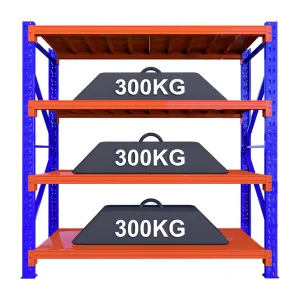
  • Dynamic Stress Distribution: Simulates extreme structural loading up to 2,000 kg per pallet position across multi-tiered levels.
  • Seismic Engineering Standards: Structural baseplates, heavy-duty floor anchors, and reinforced upright profiles engineered to meet international building codes.
  • Safety Deflection Ratios: Maximum allowable load deflection maintained below L/200 under peak dynamic operating capacity.
85%
Cubic Space Utilization
2,000+ KG
Payload Capacity / Level
38,000 m²
Advanced Production Hub
ISO 9001
Certified Quality System
Macro Industry Solutions

Tailored Implementations Across Sector Vertical Marketplaces

From bulk raw materials to standardized cold-chain FMCG distributions, explore how localized configurations drive operational performance.

FMCG & Fast-Moving Food/Beverage

High-volume fast-moving consumer goods facilities handling seasonal batch production rely on Drive-in systems to store thousands of identical SKU pallets. By organizing whole channels into dedicated single-SKU lanes, fulfillment operations achieve frictionless LIFO rotations with minimal staging overhead.

Cold Storage & Frozen Logistics

Equipped with specialized low-temperature powder coatings and corrosion-resistant hot-dip galvanized structural steel components, our low-temp Drive-in racking arrays withstand continuous operational environments down to -30°C without hydrogen embrittlement or structural degradation.

Chemical & Raw Material Bulk Buffers

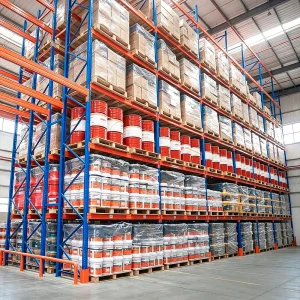
For chemical refiners and manufacturing plants producing standardized drum pallets or tote containers, Drive-in racks isolate bulk chemicals into deep channels. Optional secondary containment trays and heavy-duty structural column guards ensure compliance with environmental and industrial safety rules.

Enterprise E-E-A-T Credentials

Dongguan Kimsuk Shelves Co., Ltd.

A Global Benchmark in High-Precision Steel Racking Manufacturing & Engineered Storage Solutions.

Founded in 2015, Dongguan Kimsuk Shelves Co., Ltd. is a premier manufacturer specializing in heavy-duty industrial warehouse racking systems, automated storage solutions, and customizable steel shelving. Spanning a state-of-the-art production facility of 38,000 square meters, Kimsuk combines advanced manufacturing infrastructure with high-precision engineering to deliver robust logistics and warehousing infrastructure globally.

Key Corporate Infrastructure

  • Established Year: 2015
  • Facility Area: 38,000 m²
  • Annual Export Revenue: $28,000,000 USD
  • Export Experience: 8+ Years
  • Industry Experience: 15+ Years
  • R&D Engineers: 18 Senior Structural Engineers & Industrial Automation Specialists
  • New Products Released Last Year: 48 Innovative Racking Systems and Accessory Designs

Quality Assurance Protocols & Execution

  • Quality Inspection Protocols: ISO 9001:2015 Quality Management System, CE Standard Compliance, and Load-Bearing Safety Certifications.
  • Product Inspection Methodology: Non-destructive Ultrasonic Testing, Automated Ultrasonic Weld Flaw Detection, Coating Thickness Measurement, Surface Salt Spray Corrosion Testing, and Structural Static/Dynamic Load Testing.
  • Quality Control Team: 35 Certified QC Inspectors and Material Testing Engineers.
  • Trade Background: Direct OEM/ODM Export, Strategic Global Distribution Partnerships, and Turnkey Logistics EPC Solutions.
  • Primary Export Markets: North America, Western Europe, Southeast Asia, Australia, and the Middle East.
  • Supply Chain Partners: Over 850 Upstream Material Suppliers and Downstream Logistics Partners.

Target Client Profile & Technical R&D Capabilities

Target Clients: Global Logistics Hubs, Enterprise E-commerce Distribution Centers, Cold Chain Facilities, Industrial Equipment Wholesalers, and Third-Party Logistics (3PL) Operators.

R&D Capabilities & Customization Options: Full-Cycle Structural Engineering, CAD/3D BIM Warehouse Modeling, Finite Element Analysis (FEA) Structural Simulation, Automated Roll-Forming System Customization. Custom Dimensions, Load Capacities, Powder-Coated Colors, Seismic Structural Upgrades, and Modular Automated Racking Interfaces.

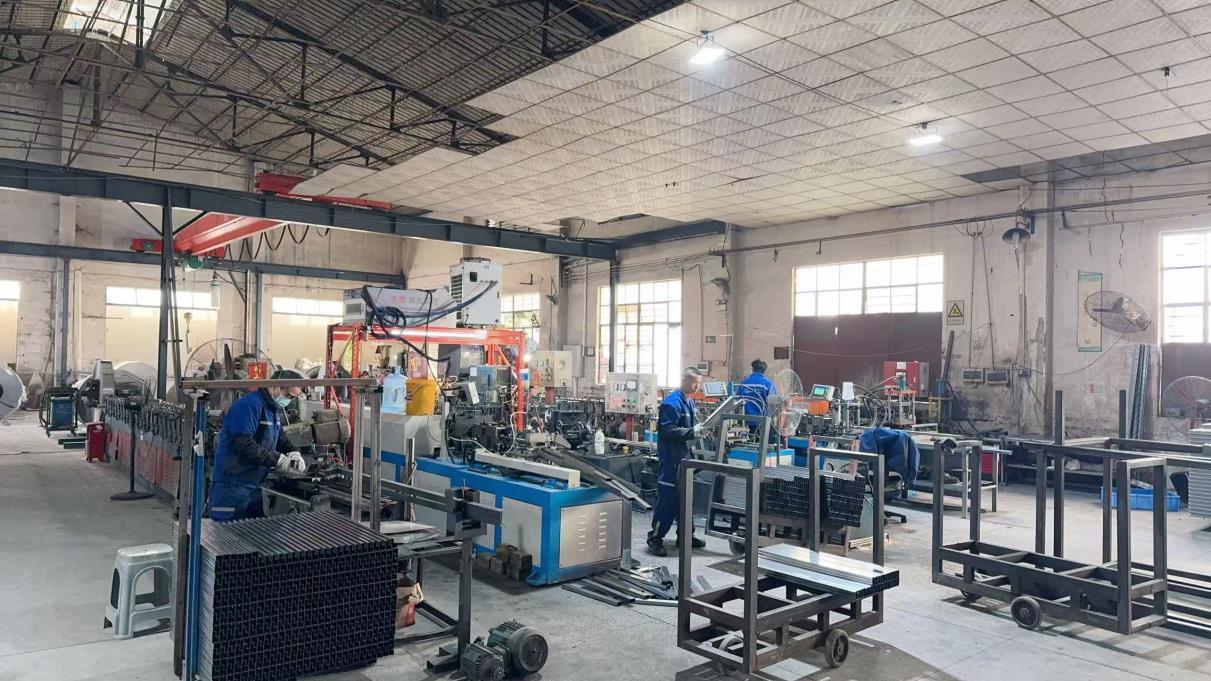
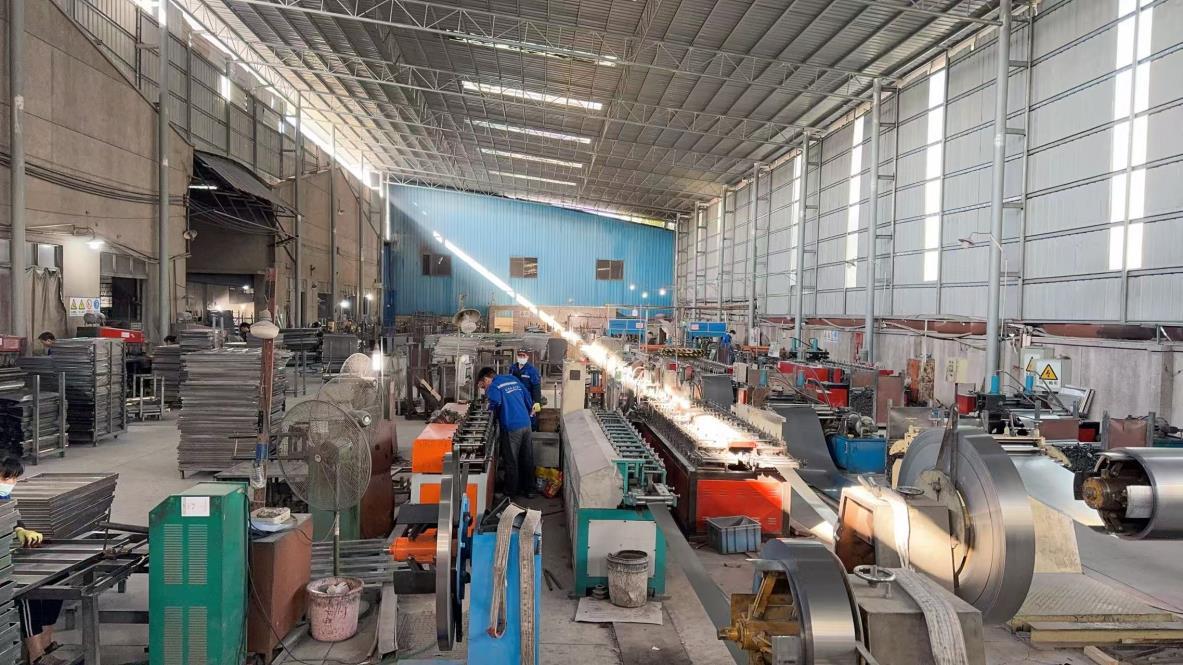
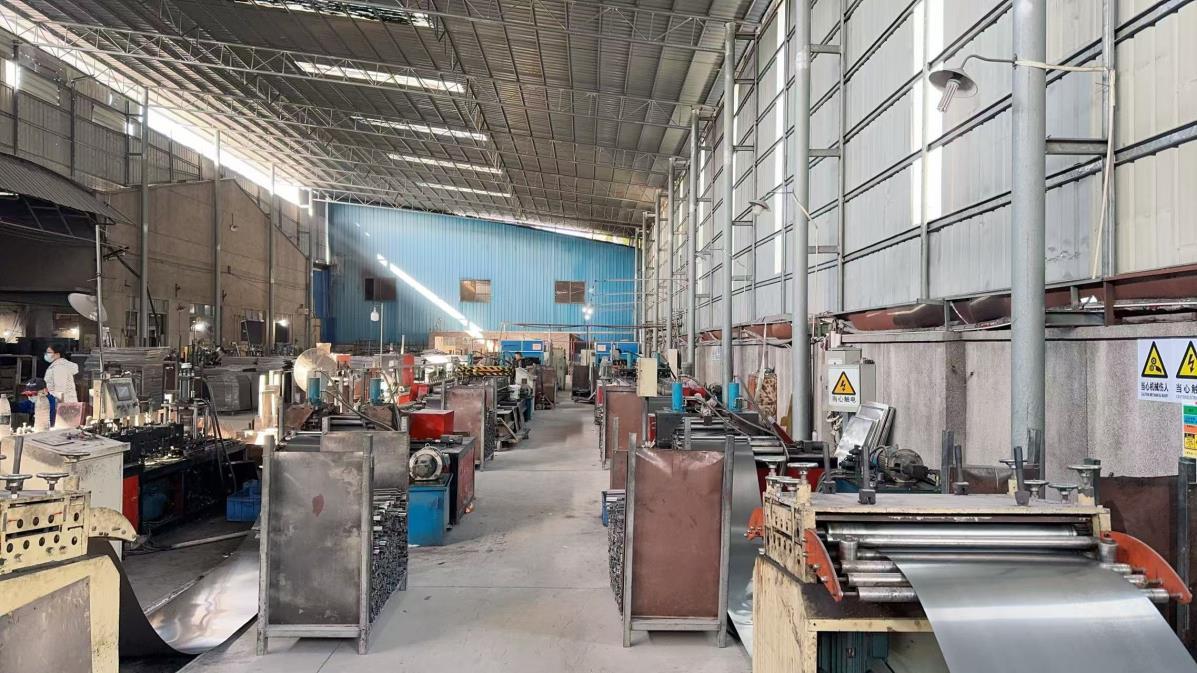
Factory Operations

Automated Production Lines & Precision Machinery

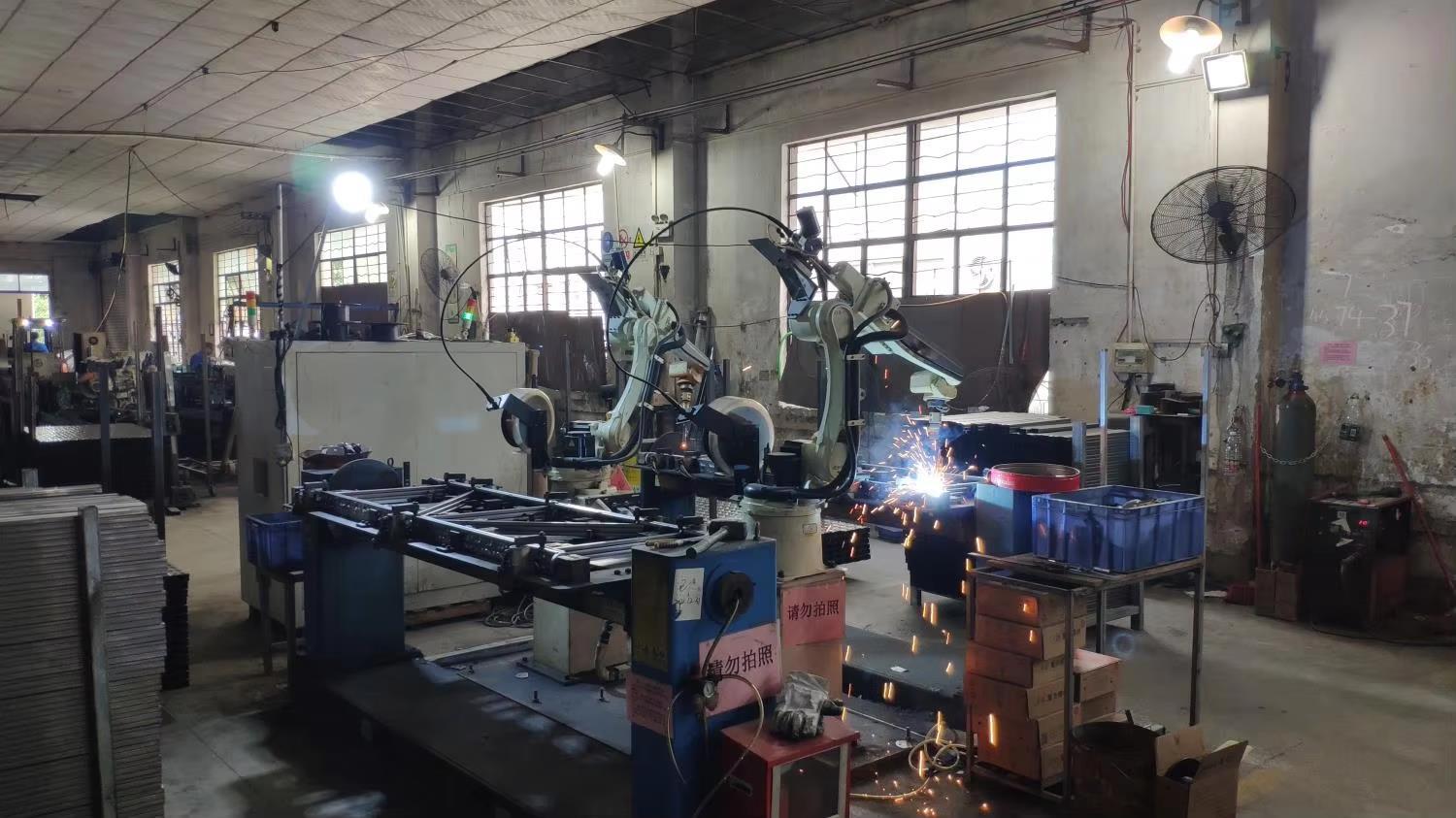
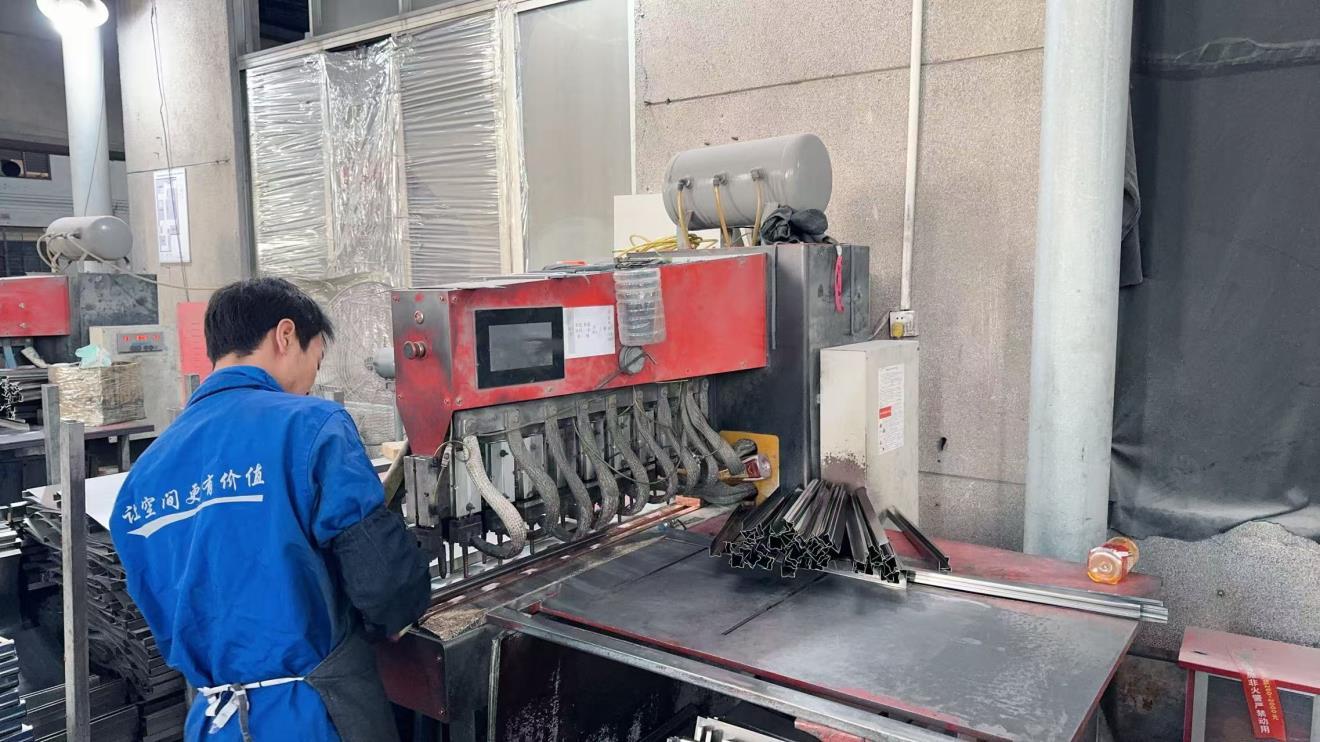
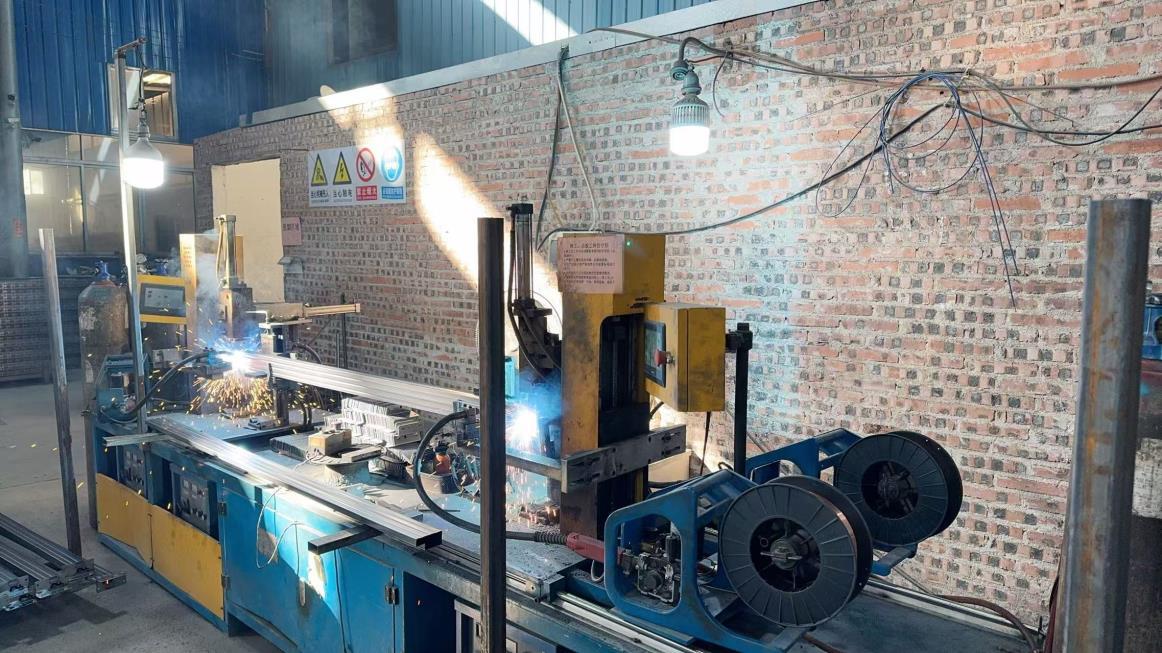
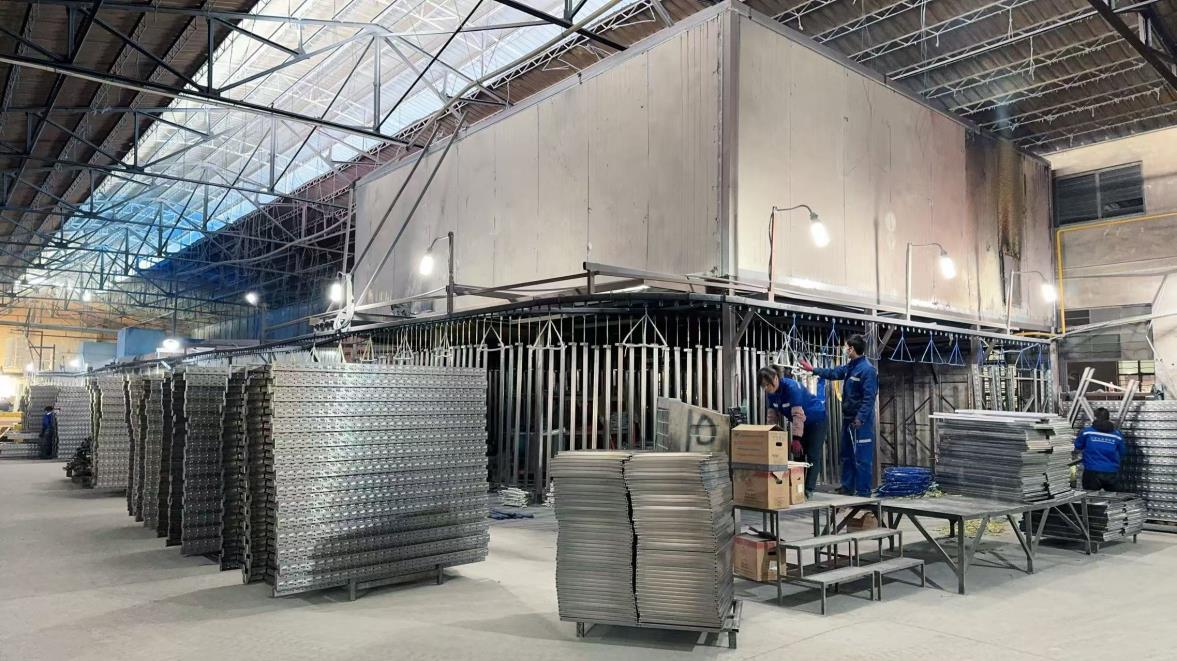
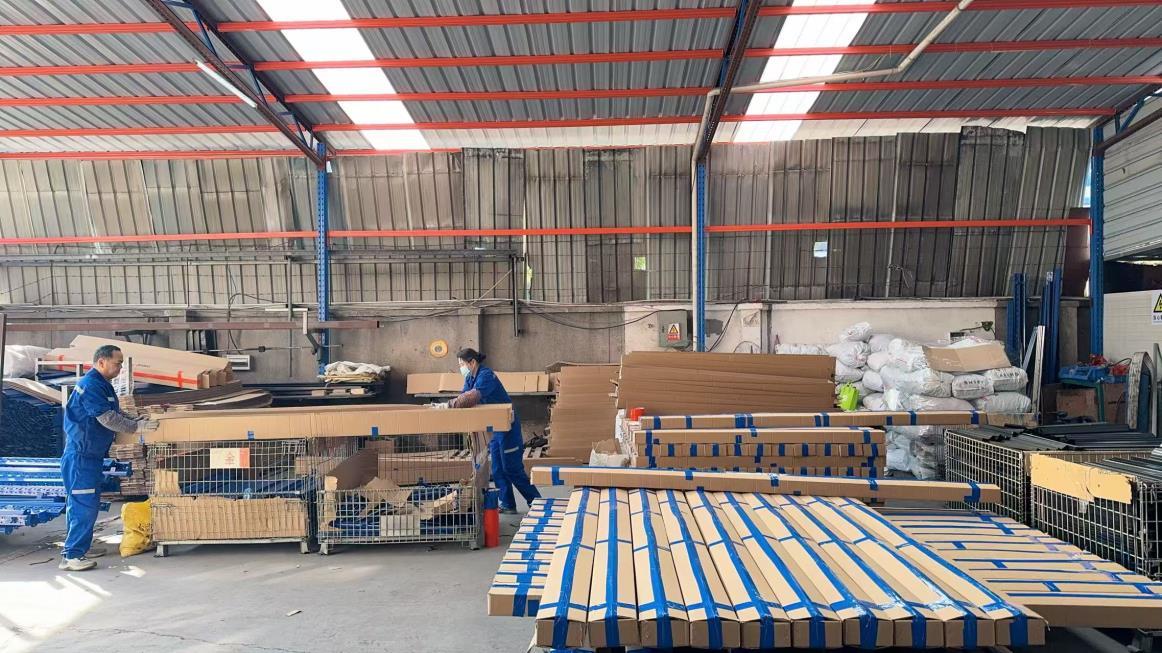
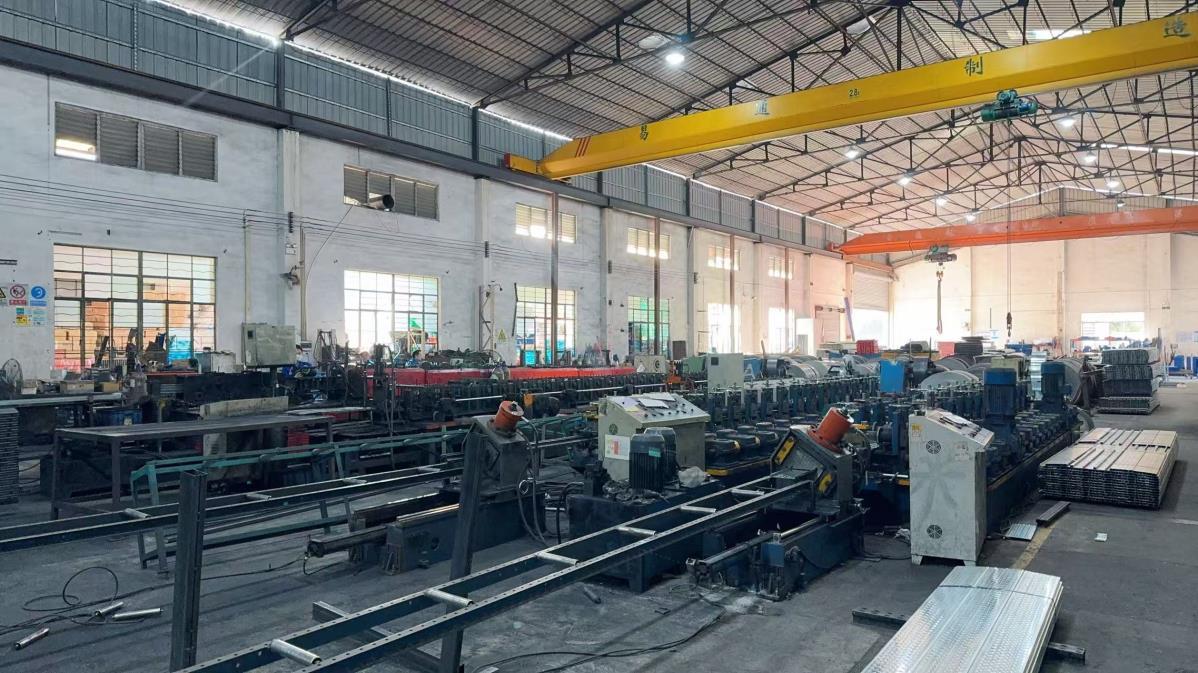
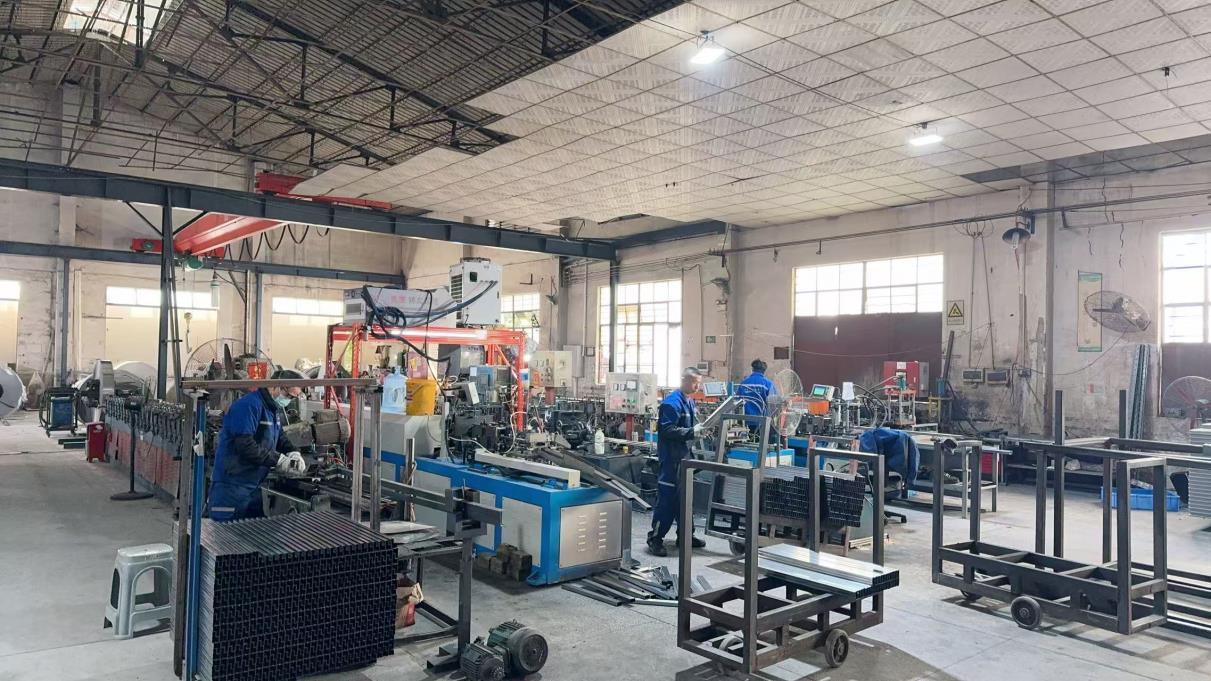
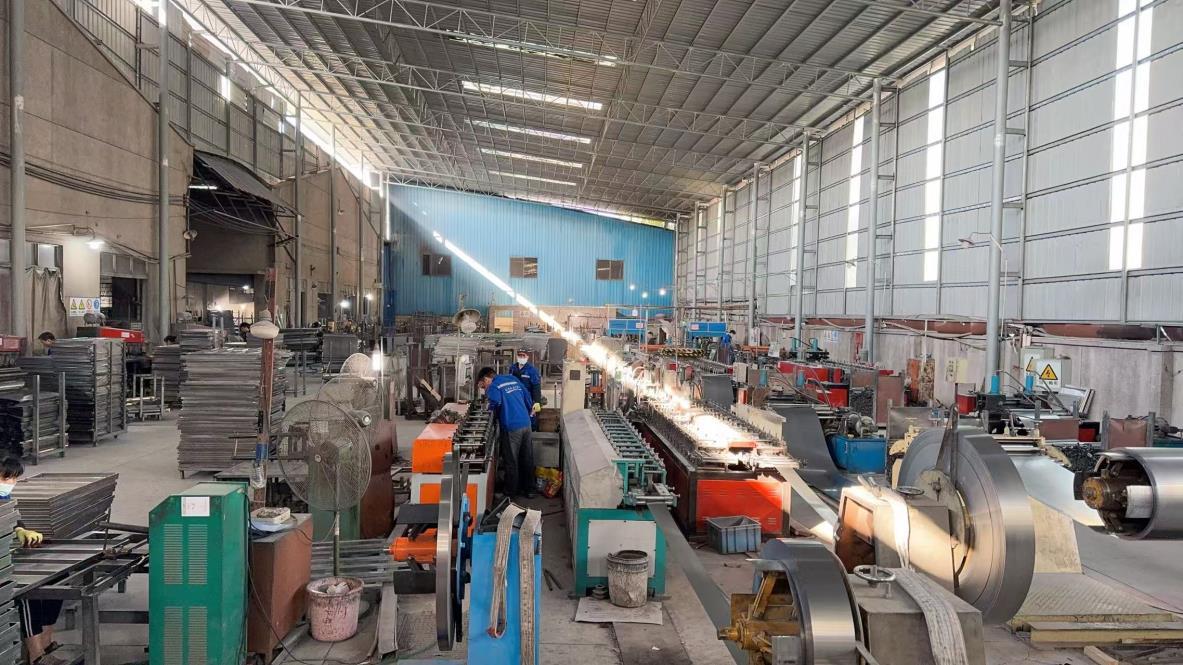
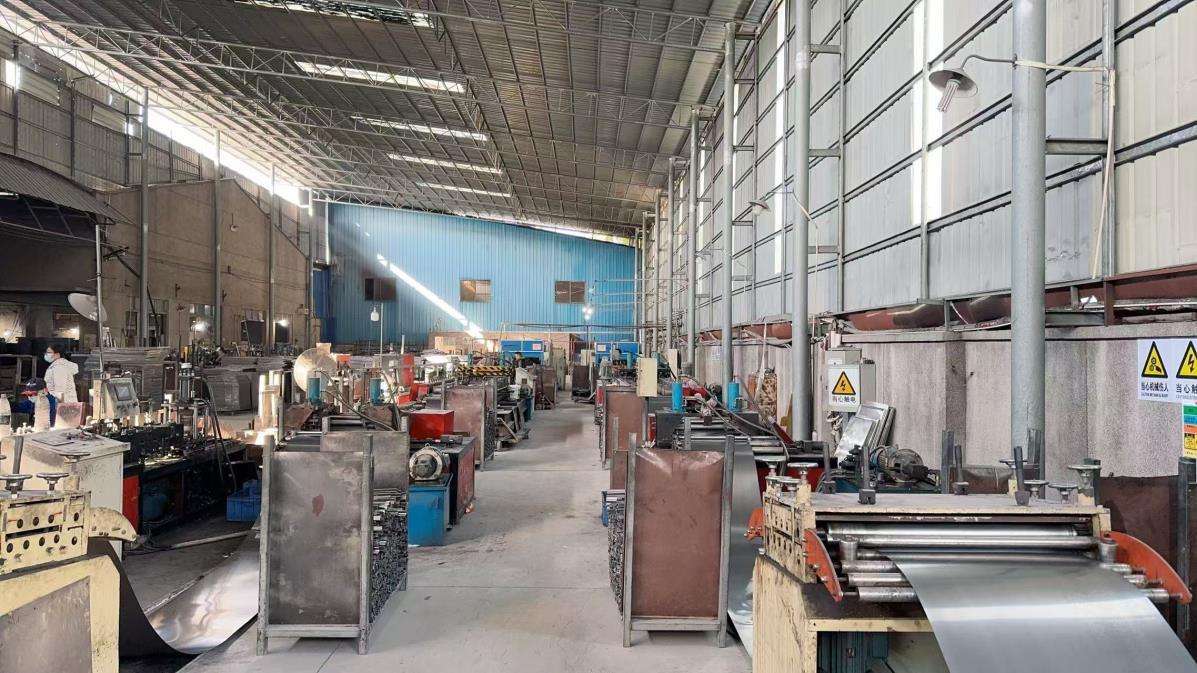
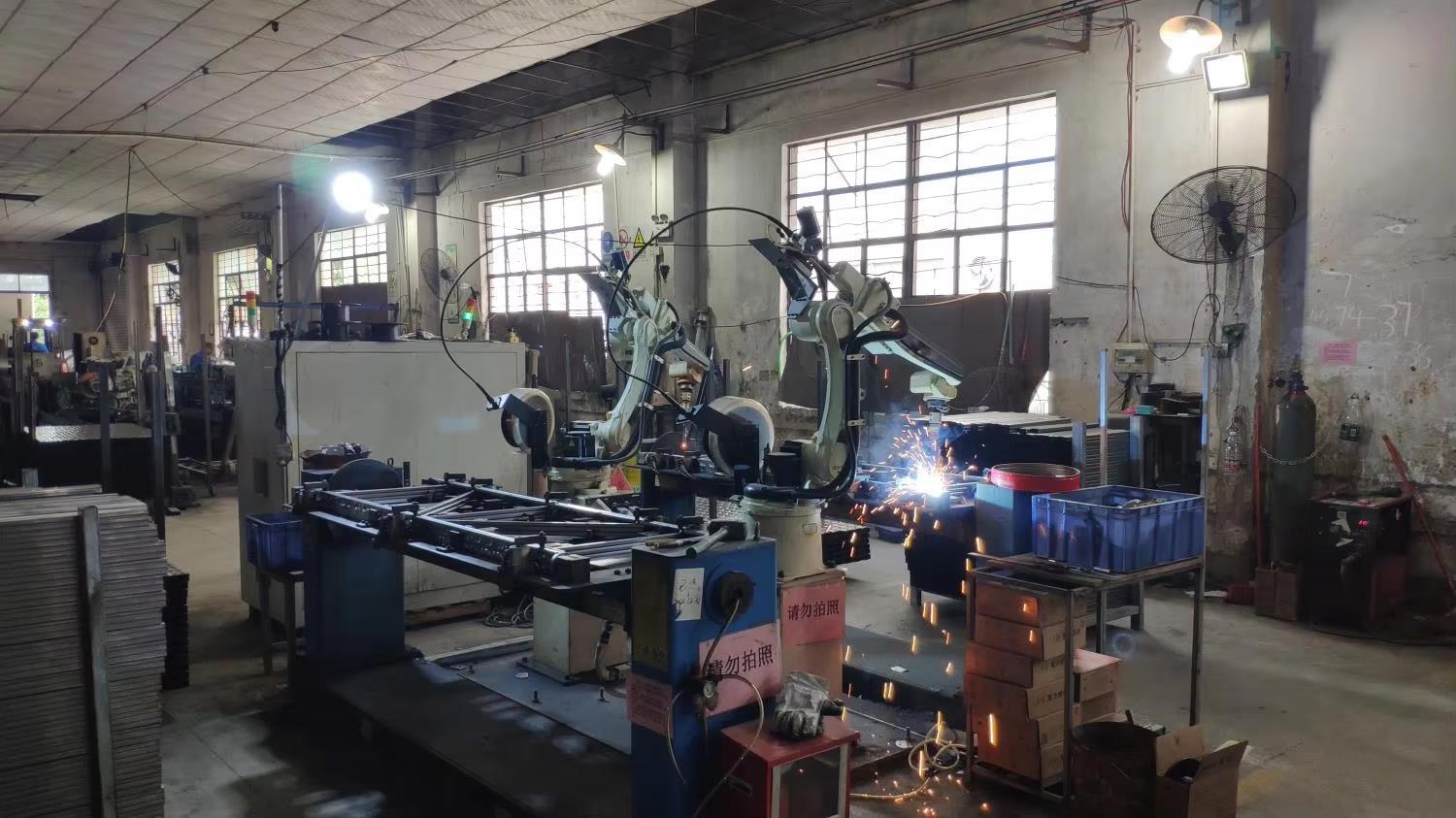
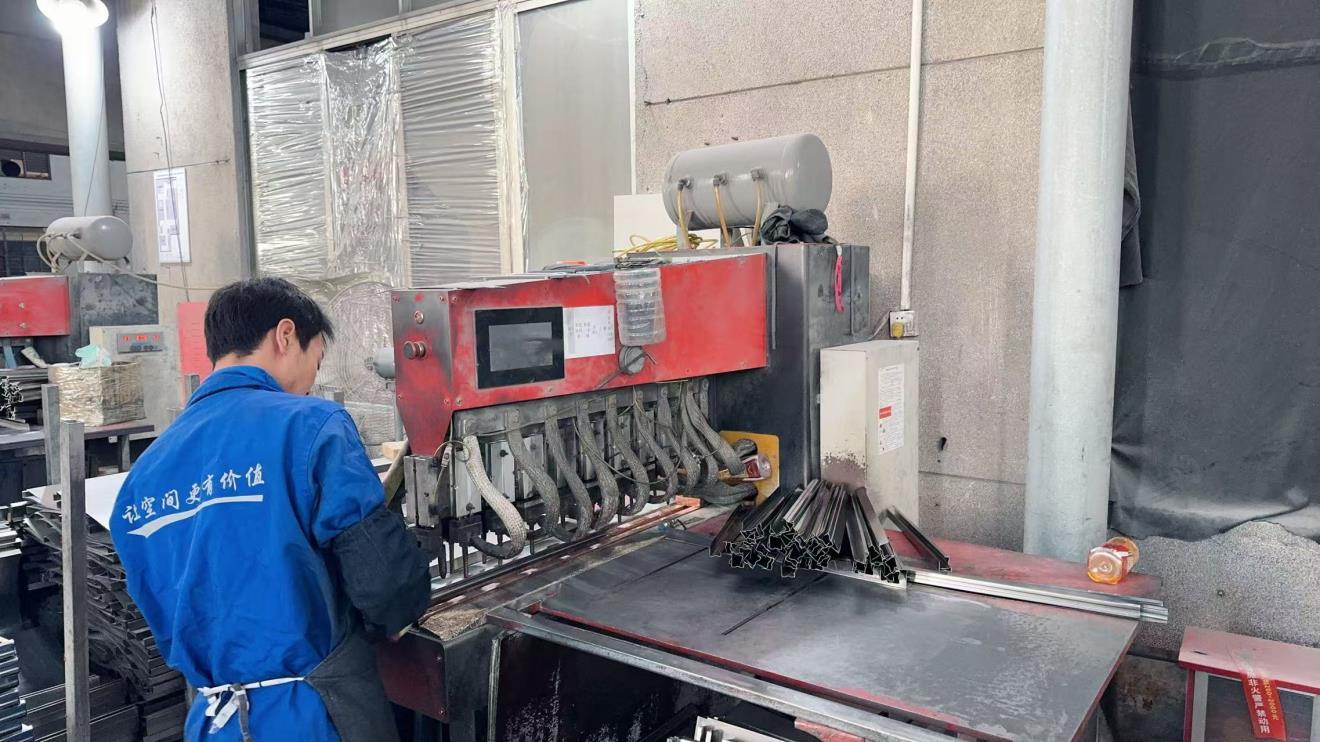
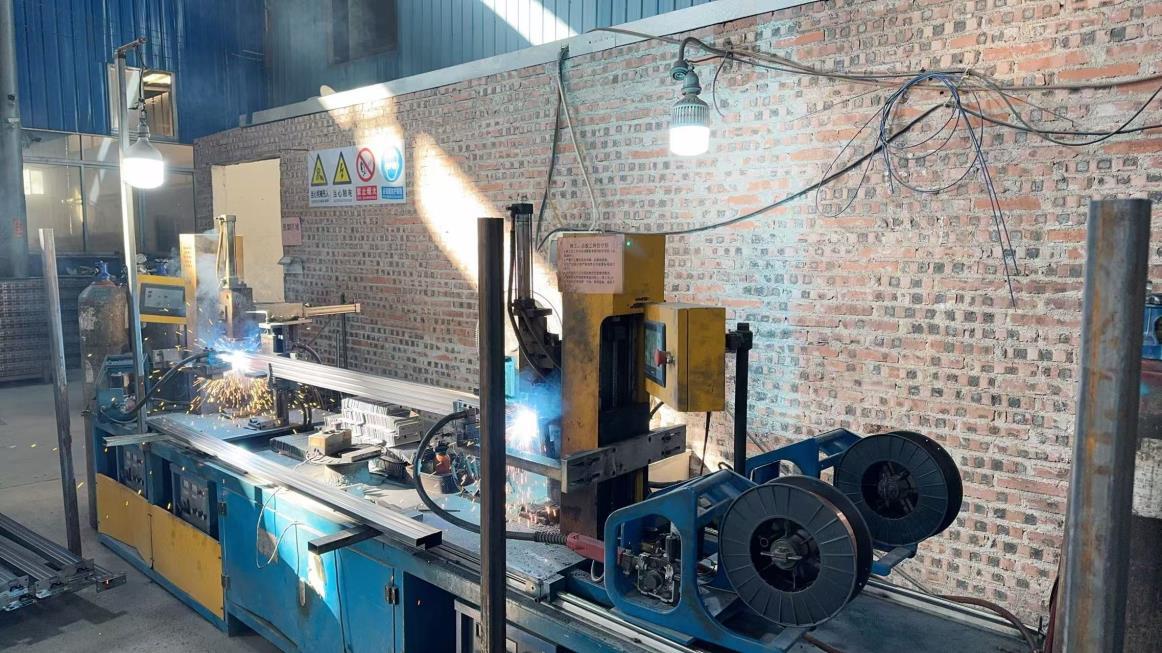
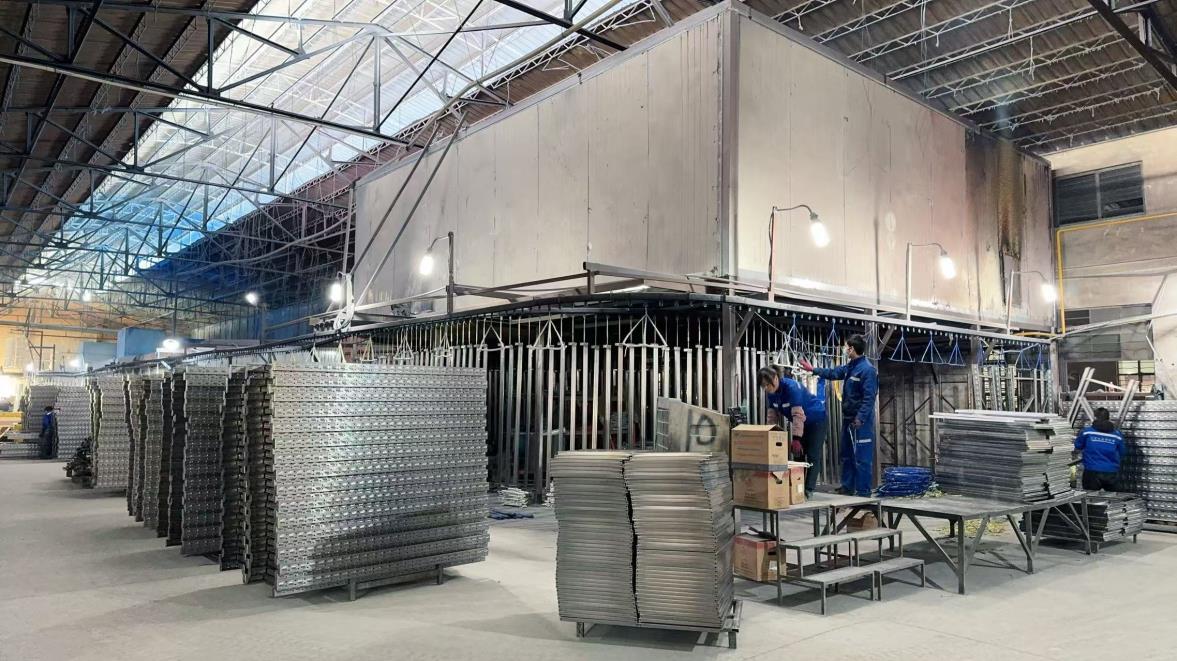
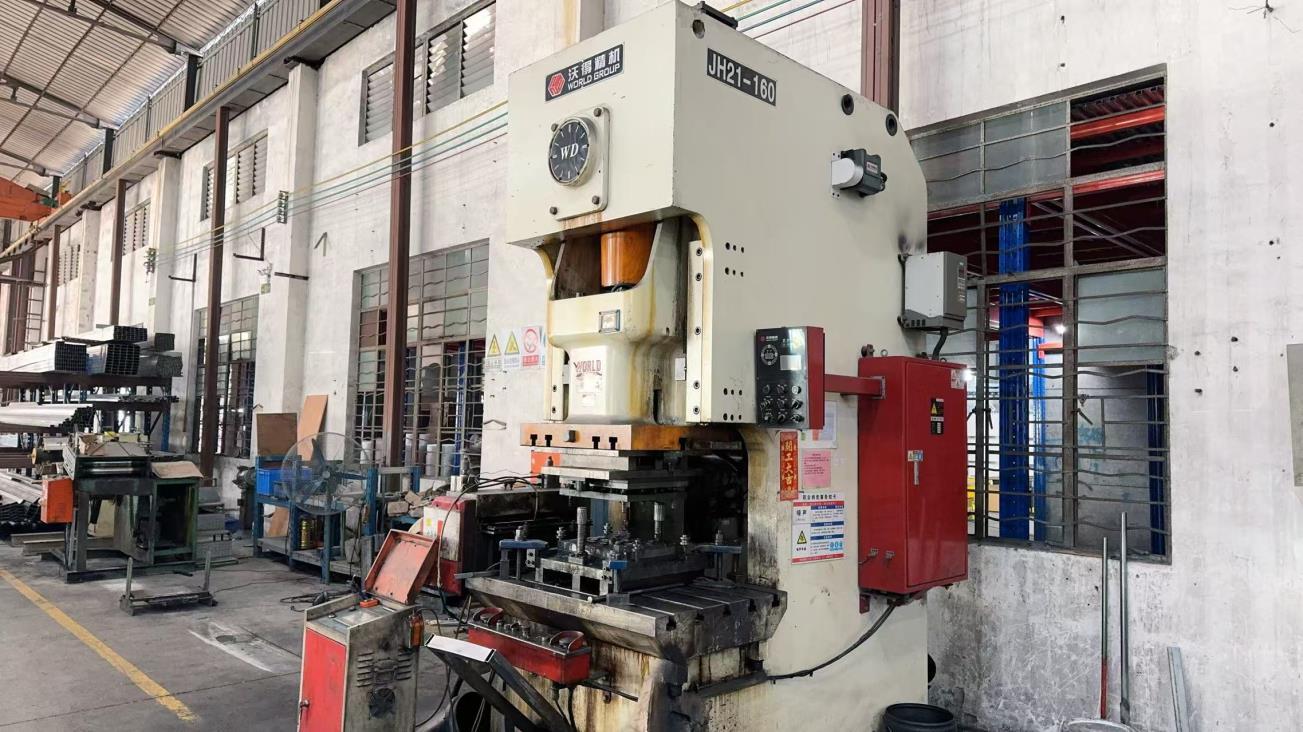
Direct visualization of our raw material processing, robotic welding stations, powder coating, and heavy machinery tooling.
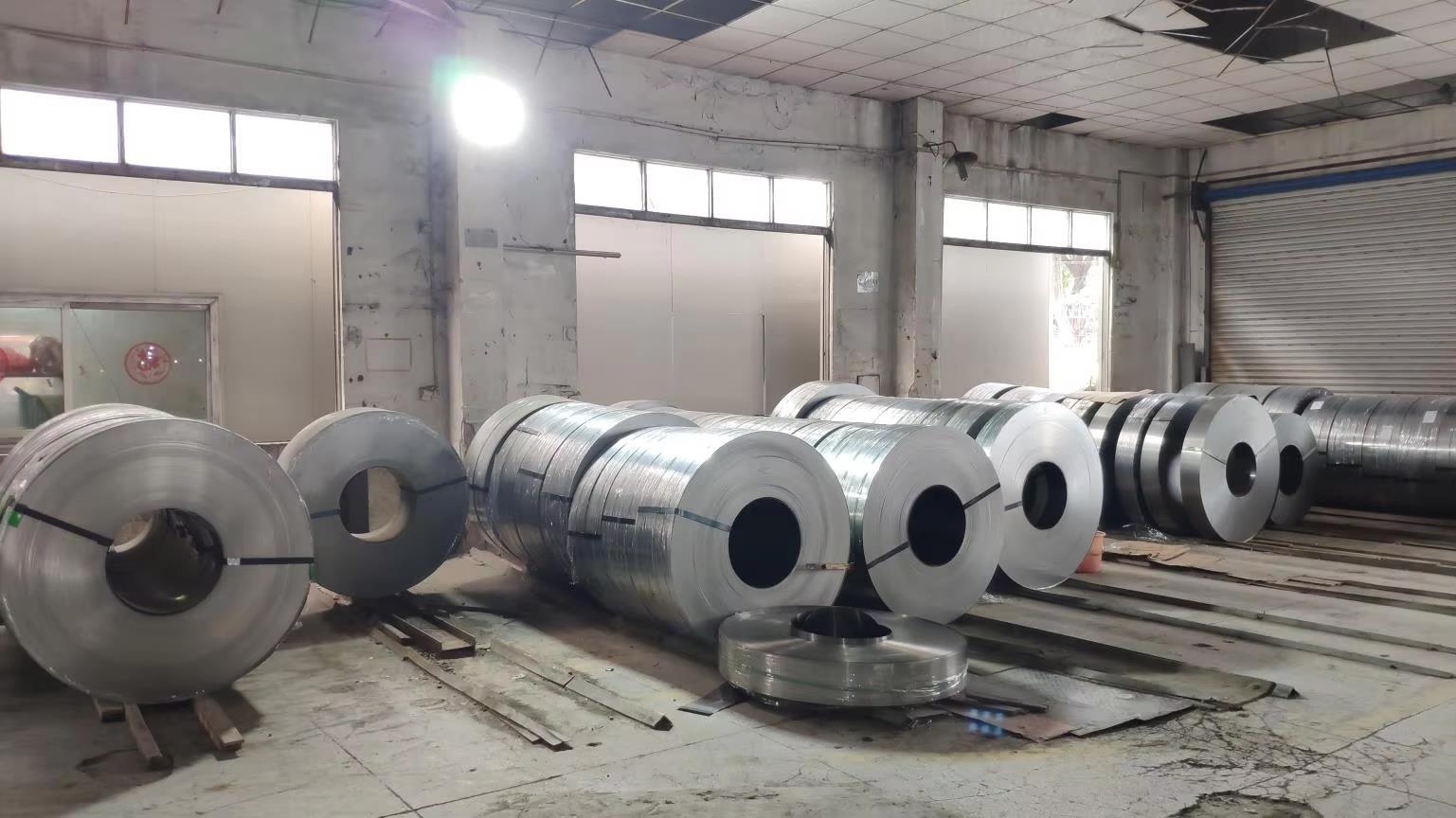
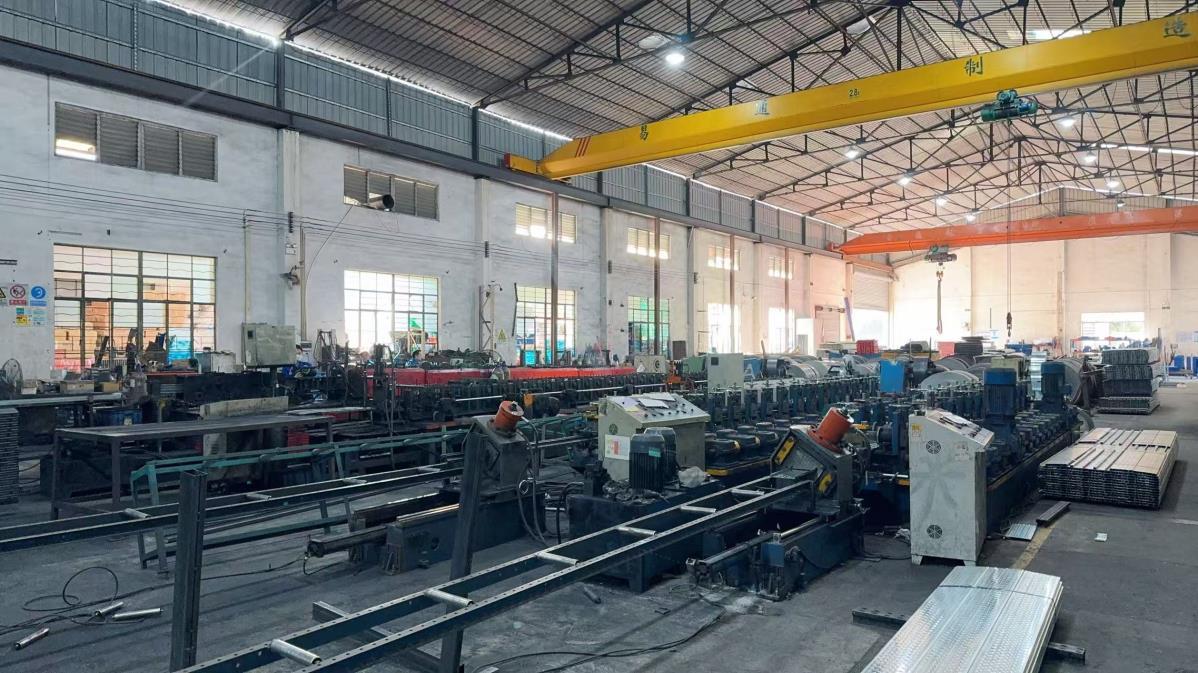
Raw Material
Raw Material
Metal Sheet Cutting
Metal Sheet Cutting
Pipe Cutting
Pipe Cutting
Stamping
Stamping
Forming
Forming
Robot Welding
Robot Welding
Welding 1
Welding 1
Welding 2
Welding 2
Spray
Spray
Packaging
Packaging
Raw Material Cutting Machine
Pipe Cutting Machine
Cutting Machine
Cutting Machine
Forming Machine
Forming Machine
Robot Welding Arm
Robot Welding Arm
Spot Welding Machine
Automatic Welding Machine
Spray Line
Spray Line
Punch Press
Punch Press
Future Outlook

Technology Roadmap: Smart Drive-in & Automated Radio Shuttle Integration

Bridging traditional static structural racking with IoT-enabled monitoring and semi-automated pallet shuttles.

Phase 1: Hybrid Radio Shuttle Conversion

Traditional Drive-in racking requires forklifts to drive directly into storage bays, creating potential impact risk. Kimsuk's modular engineering enables seamless retrofitting of internal load rails to support semi-automated Radio Pallet Shuttles. The shuttle travels inside the deep channels to retrieve pallets, allowing operators to run both FIFO and LIFO modes without entering the frame array.

Phase 2: IoT Deflection & Structural Sensors

Next-generation installations integrate real-time structural health monitoring systems. Micro-strain sensors fitted to critical upright columns and top-bracing frames detect unexpected dynamic deflection, fork truck impacts, or seismic strain. Alerts are transmitted instantly to warehouse management software (WMS) dashboards to ensure preventive maintenance.

Phase 3: Automated Guided Vehicle (AGV) Alignment

As modern distribution hubs transition toward unmanned AGVs and autonomous forklifts, Kimsuk Drive-in structures are designed with laser-guided entry target plates and high-tolerance ground rail tracks. This structural precision allows automated forklifts to enter lanes with sub-millimeter positioning accuracy.

Investment Analysis

Total Cost of Ownership (TCO) & Storage Density Calculation

How enterprise supply chains evaluate storage density metrics against operational throughput velocity.

Calculating Cube Utilization Efficiency (CUE)

When evaluating structural racking investments, procurement managers must look beyond unit purchase cost and compute the Cubic Space Optimization Ratio:

CUE (%) = [ Total Stored Pallet Volume (m³) / Net Building Storage Envelope (m³) ] × 100

Standard Selective Racking typically delivers a CUE of 35% to 45% due to extensive aisle requirements. Drive-in systems engineered by Dongguan Kimsuk Shelves Co., Ltd. elevate CUE to 75% - 85%. This dramatic increase in volume utilization allows enterprise warehouse operators to double their pallet capacity within existing building footprints, deferring major capital outlays for physical facility expansions.

Technical Knowledge Base

Frequently Asked Questions (Q&A)

Technical specifications, operational standards, safety considerations, and structural custom options.

1. What is the fundamental operational difference between Drive-in and Drive-through racking systems?
Drive-in racking systems utilize a single entry/exit point for forklifts per aisle channel, operating under a strict Last-In, First-Out (LIFO) inventory control system. Drive-through systems feature open access points at both ends of the lane array, allowing forklifts to enter from one side to load and the opposite side to unload, thereby enabling First-In, First-Out (FIFO) operational flows.
2. How does Dongguan Kimsuk guarantee structural safety against forklift impacts in deep Drive-in lanes?
We integrate structural safety mechanisms directly into the engineering design. This includes heavy-duty floor-anchored steel guide rails along the lane floor to direct forklift travel, reinforced front-upright column protectors made of high-yield steel, tapered cantilever support arms to prevent fork catching, and top/rear diagonal cross-bracing frameworks that distribute accidental impact kinetic energy across the entire structural matrix.
3. What floor flatness standards are required before installing high-density Drive-in racking?
Because forklifts operate within narrow channels elevated multiple meters high, floor levelness is critical to prevent mast lean and structural collision. We recommend concrete floor flatness compliance according to ASTM E1155 standards (F-Min 50 to 100 dependent on height) or DIN 18202 Group 4 standards. Our engineering team provides complete site survey analysis prior to installation anchor placement.
4. Can Kimsuk custom-build Drive-in systems to accommodate non-standard pallet sizes?
Yes. With 18 senior structural engineers and a 38,000 m² manufacturing hub, we specialize in fully customized systems. We engineer cantilever arm profiles and rail entry depths tailored to non-standard wooden or plastic pallets, Euro pallets (800x1200mm), GMA pallets (48x40 inch), Australian standard pallets (1165x1165mm), or custom industrial heavy tote frames.
5. What surface finishes are offered to prevent corrosion in humid or cold storage environments?
We offer advanced automated thermosetting electrostatic powder coating (using epoxy-polyester formulas) cured at high temperatures to deliver high scratch and impact resistance. For severe moisture, outdoor, or sub-zero cold chain environments, we provide complete Hot-Dip Galvanizing (HDG) processing in compliance with ISO 1461 standards, offering decadal corrosion protection.